

The Diver of Paestum: Youth, Eros, and the Sea in Ancient Greece
ourprice £20.00
| Author | Tonio Holscher |
|---|---|
| Format | Hardback |
| Publisher | John Wiley and Sons Ltd |
| Publication Date | 2025-09-19 |
| Pages | 144 |
| ISBN-13 | 9781509568130 |
In stock
Description
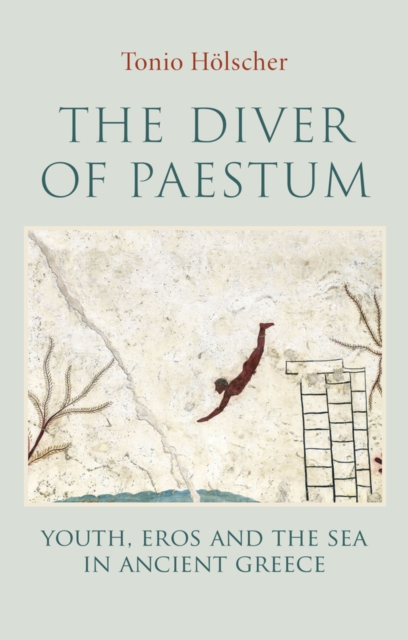
Since its discovery in 1968, the painting of a diver on a tomb in Paestum, originally the Greek colony of Poseidonia in southern Italy, has left viewers spellbound. It depicts a beautiful and enigmatic scene: a young man dives headfirst into the water from a cliff or tower. The image is joined by others from the same tomb depicting a banquet of young people drinking wine, playing games and enjoying music. Understanding this painting is often seen as a key to unlocking some of the mysteries of ancient Greek culture – and therein lies the puzzle. What is the meaning of the diver? Is it, as many have argued, a metaphorical representation of the passage from life to a world beyond? The eminent art historian Tonio Hölscher rejects this view, arguing that there is nothing symbolic or metaphorical about the painting: the scenes celebrate the real lives of the Greek colonists of the early 5th century BC. The painting captures a young man’s spirited personality and pursuits during a life which may have been short, but was lived to the full. In a groundbreaking reversal of how the painting is typically interpreted, this book opens a window onto the world of Ancient Greece and its culture of athleticism, eroticism, love for nature and enjoyment of the sea. A joyful ode to youth, it is above all a unique portrait of the zest for life in Antiquity.
Additional information
| Weight | 0.308 kg |
|---|---|
| Dimensions | 1.9 × 22.3 × 14.5 cm |
| Author | Tonio Holscher |
| Publisher | John Wiley and Sons Ltd |
| Imprint | Polity Press |
| Format | Hardback |
| ISBN-13 | 9781509568130 |
| Publication Date | 2025-09-19 |
| Publication Year | 2025 |
| Pages | 144 |
| Country of Publication | GB |
| Language | English |



Reviews
There are no reviews yet.