


Analysing Policy: What’s the problem represented to be?
ourprice £44.99
| Author | Carol Bacchi |
|---|---|
| Format | Paperback |
| Publisher | Pearson Education Limited |
| Publication Date | 2009-08-27 |
| Pages | 319 |
| ISBN-13 | 9780733985751 |
In stock
Description
A novel approach to thinking about public policy and a distinctive methodology for analysing policy
It introduces a set of six questions that probe how ”problems” are represented in policies, followed by an injunction to apply the questions to one”s own policy proposals. This form of analysis, it suggests, is crucial to understanding how policy works, how we are governed, and how the practice of policy-making implicitly constitutes us as subjects.
The book mounts a challenge to the problem-solving paradigm currently dominating the intellectual and policy landscape, a paradigm manifest in ”evidence-based policy”. Arguing that such a paradigm denies the shaping that goes on in the process of problematisation, it offers a ”what”s the problem represented to be?” approach to policy analysis as a counter-discourse. In this view critical thinking involves putting ”problems” into question rather than learning how to ”solve” them.
Bacchi”s approach to policy analysis offers exciting insights in a wide array of policy areas, including welfare, drugs/alcohol and gambling, criminal justice, health, education, immigration and population, media and research policy. Invaluable to those involved in policy studies and public administration, it will also appeal to students and academics in sociology, social work, anthropology, cultural studies and human geography.
Student resources:
Additional information
| Weight | 0.556 kg |
|---|---|
| Dimensions | 1.8 × 18.9 × 24.3 cm |
| Author | Carol Bacchi |
| Publisher | Pearson Education Limited |
| Imprint | Pearson Education Limited |
| Format | Paperback |
| ISBN-13 | 9780733985751 |
| Publication Date | 2009-08-27 |
| Publication Year | 2009 |
| Pages | 319 |
| Country of Publication | GB |
| Language | English |
Related products
-

Zig-Zag Boy: A Mother’s Love & a Journey Through Madness
ourprice £10.99 Add to cart -
Inner City Pressure: The Story of Grime
ourprice £12.99 Add to cart -
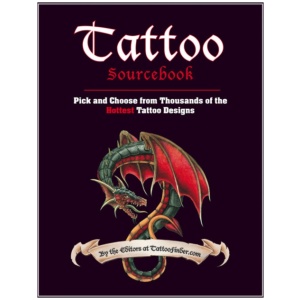
Tattoo Sourcebook: Pick and Choose from Thousands of the Hottest Tattoo Designs
ourprice £30.00 Add to cart -
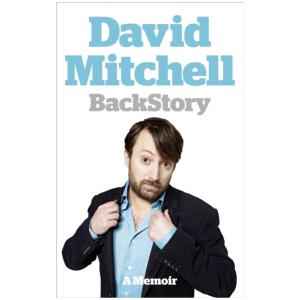
David Mitchell: Back Story
ourprice £10.99 Add to cart


Reviews
There are no reviews yet.