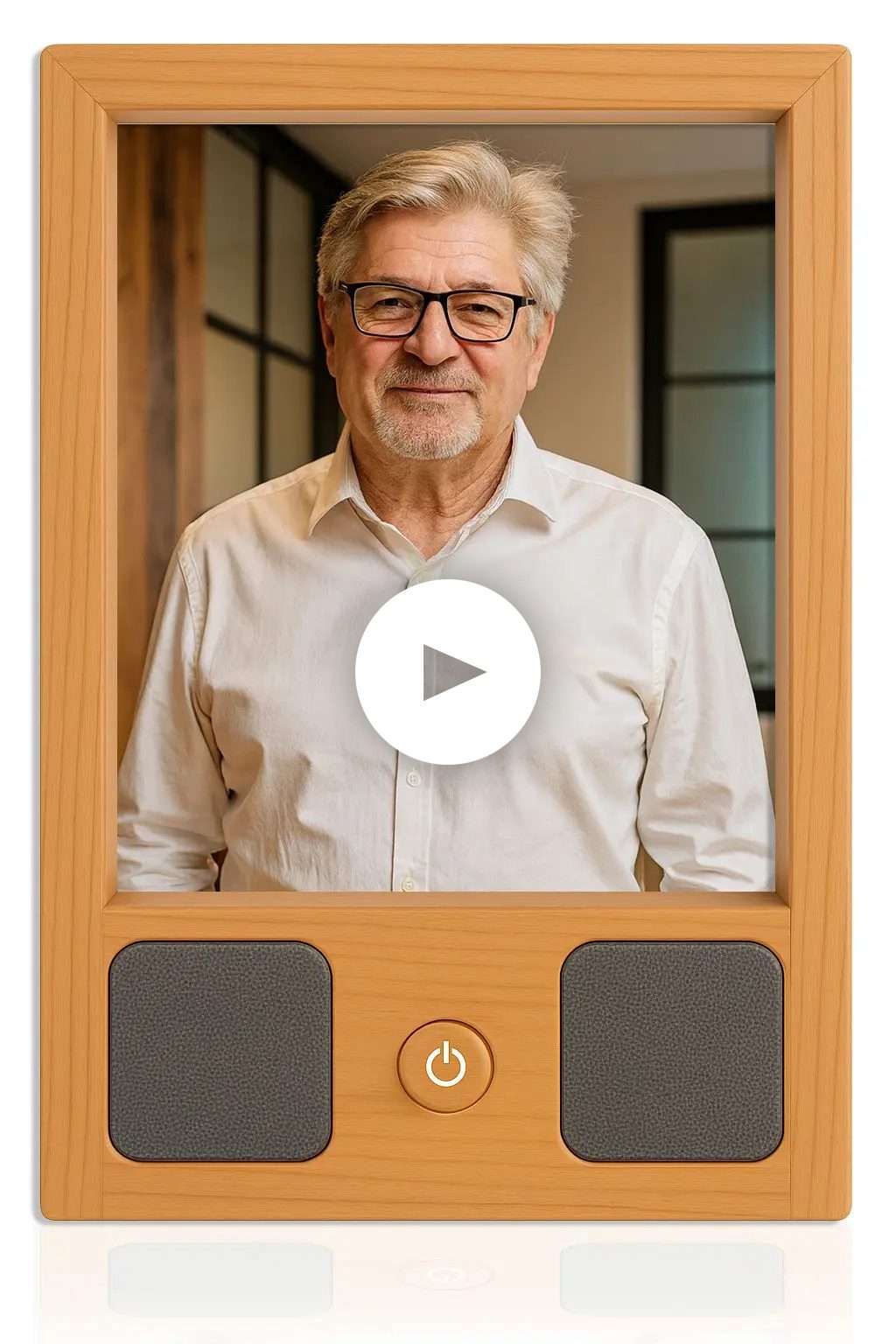
There is a technological and emotional gap – nothing yet combines voice-first conversation, deep memory and ethical design for older users.
A framed digital person – warm, human and familiar – rather than a robot. Feels like a friendly video call.
| Existing | Strength | What is missing |
|---|---|---|
| Replika, Character AI and similar apps | Engaging chat, playful personalities, some memory | Not voice-first for elders, limited long-term care context, no ethical care integration |
| Social robots (eg. ElliQ) | Embodied presence with simple routines | Costly hardware, limited flexibility, slower to scale or update |
| Smart assistants (Alexa etc.) | Solid voice infra and reliability | No emotional continuity, not designed to ease loneliness |
The Companion Project targets the open space – voice-first empathy with evolving memory and human-centred guardrails.
All connections are opt-in, with transparent consent and family controls.
Goal: provide company today while helping slow memory decline over time.
A balanced path: measurable social impact with scalable, defensible returns.
Lead: Paul Harris – OurPrice.com Retail Ltd
Academic: University of Sussex – Research & Innovation Services (Future Technologies), working with the School of Engineering & Informatics and the Centre for Cognitive Science (COGS)
Tech (potential): OpenAI
£250k for a 6-month R&D sprint to a working prototype, with ethics and usability framework and trial design for care settings.
Privacy first – explicit consent, local-first memory where possible, clear controls for families and carers.
Technology that listens, remembers and cares – made in Britain.
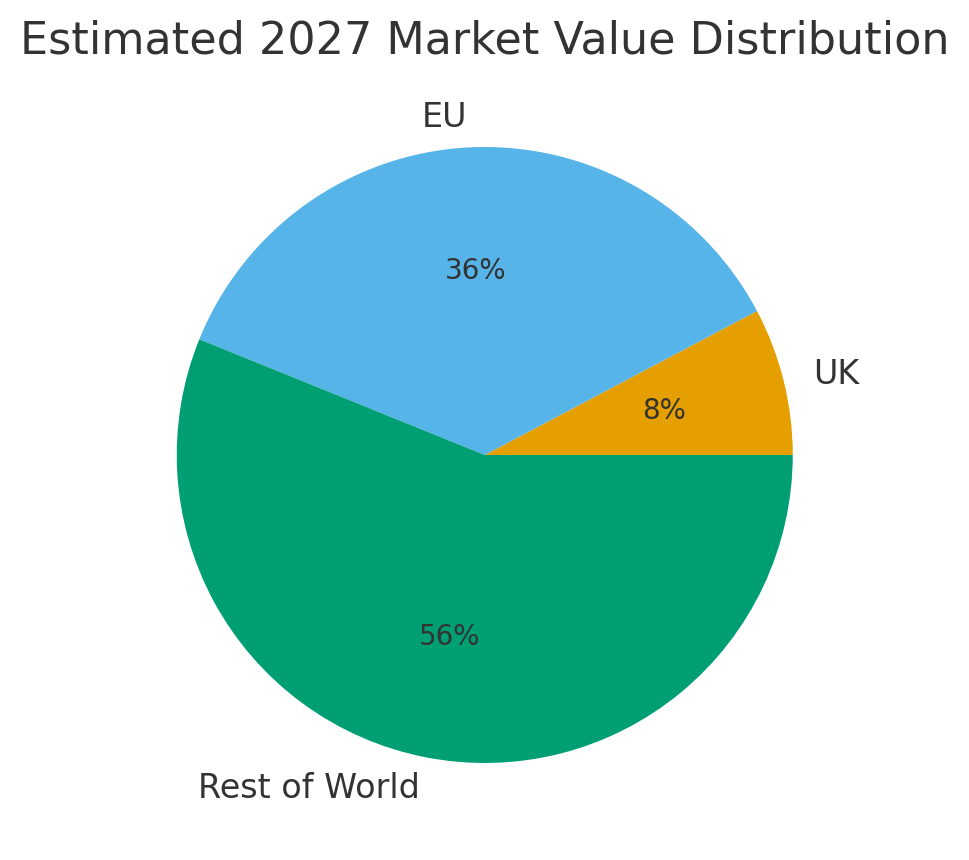
Based on Grand View Research, AI Companion Market Report (2024), estimating USD 28.19B in 2024 with 30.8% CAGR to 2030. Converted at 1 USD ≈ 0.8 GBP for illustration.